Digital Feudalism: Who Owns Knowledge?
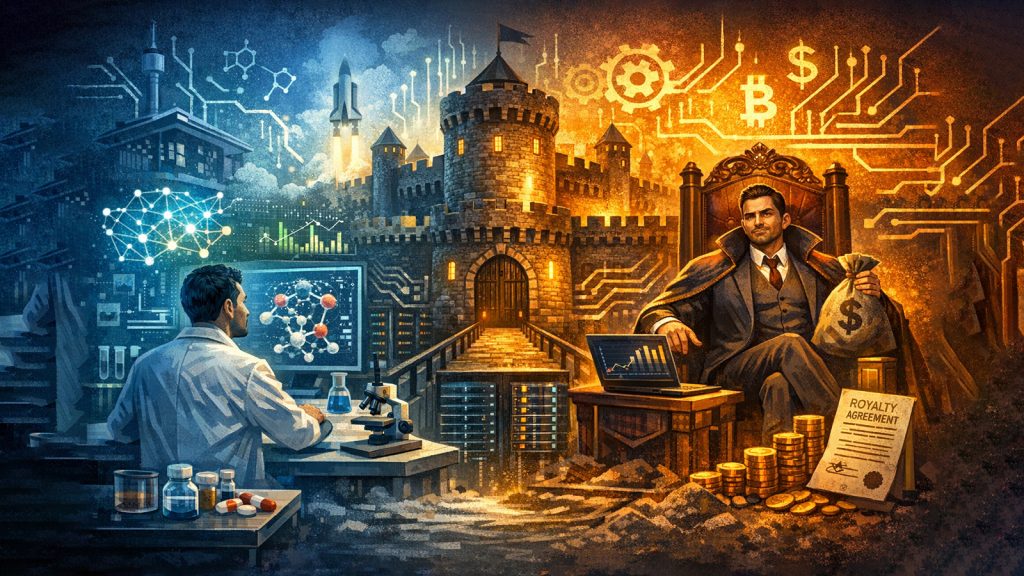
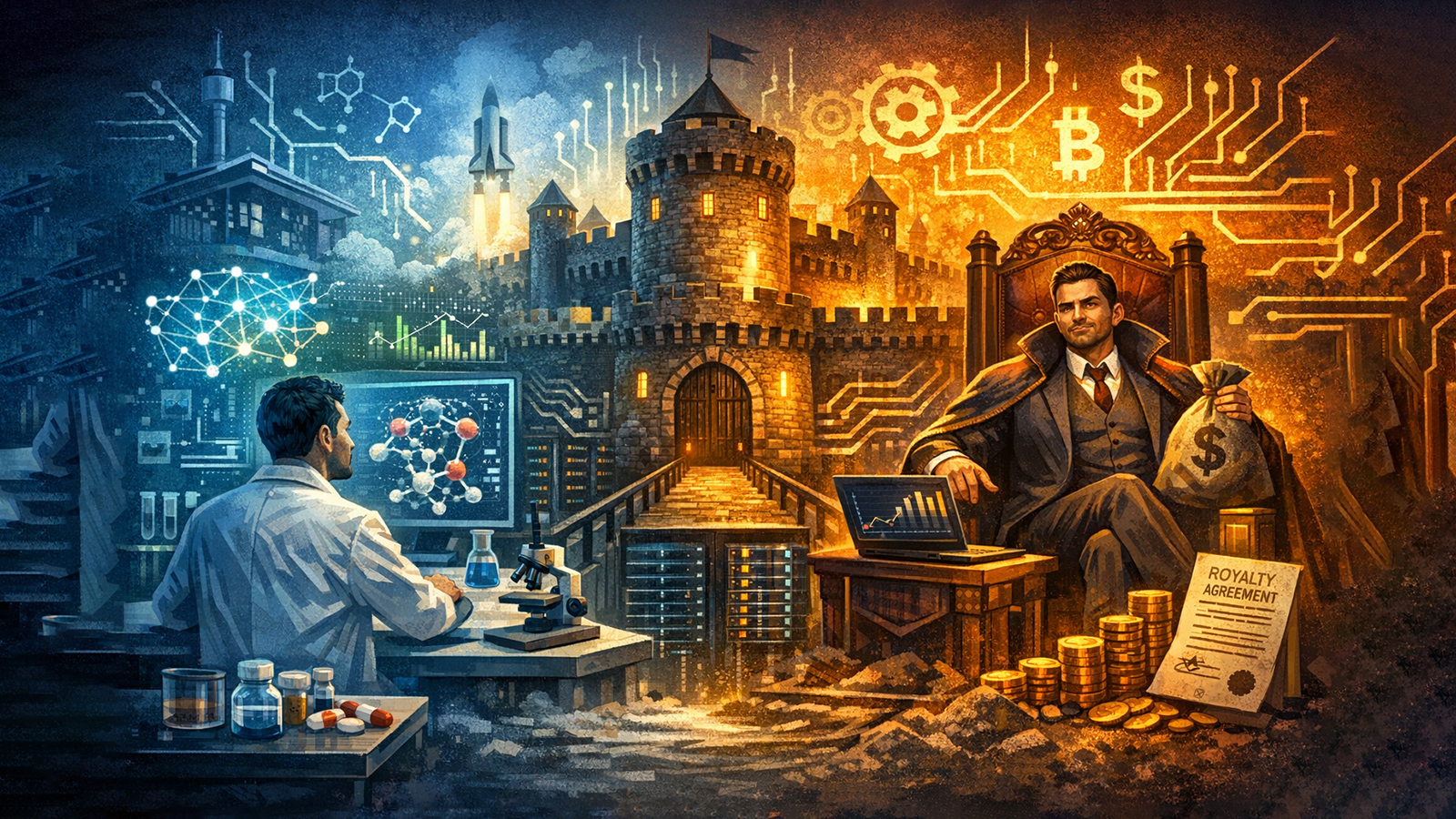
Image: Nil Taskin Digital Art
In a system of digital landlordship, those who own the infrastructure increasingly control production, access, and value, while scientists and creators risk becoming tenants rather than owners of their own work.
What Is Digital Feudalism?
Digital feudalism describes a modern power structure in which control has shifted
from land to platforms,
from lords to technology companies,
and from serfs to users and producers.
Labor still belongs to individuals.
Ownership does not.
The result is simple and familiar:
> You may produce the work, but you do not own the ground it stands on.
Digital Landlordship: Infrastructure Is Power
In the digital world, “land” is no longer physical.
It consists of servers, models, algorithms, data, and distribution channels.
Those who own this infrastructure:
– Set the rules
– Control access
– Decide how value is distributed
Those who build on top of it rarely negotiate the terms—they accept them.
From Content Creators to Scientists: Who Are the Tenants?
Content creators have lived inside this system for years:
– Visibility depends on algorithms
– Revenue sharing is unilateral
– Accounts can be shut down overnight
What is new—and far more consequential—is that this logic is now extending to
scientists, researchers, and innovators.
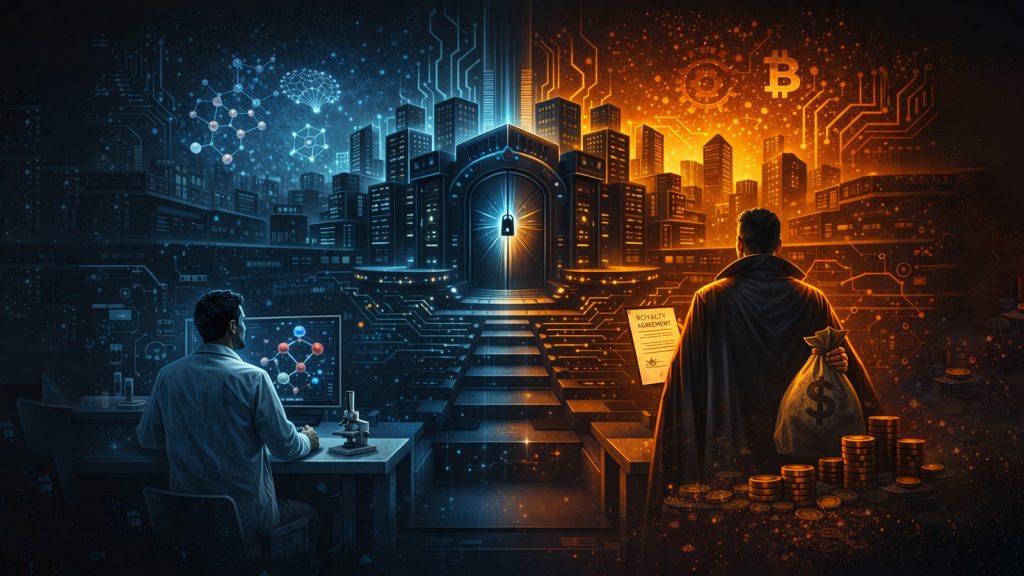
Image: Nil Taskin Digital Art
AI Infrastructure and a New Form of Dependency
Modern AI-driven research requires:
– Large-scale models
– Massive compute
– Extensive datasets
– Regulatory compliance
These are not resources most individuals or small teams can realistically own.
As a result, scientific production is becoming structurally dependent on
a small number of infrastructure providers.
The OpenAI Debate: Paying for Tools or Sharing the Knowledge?
Recent discussions around OpenAI highlight a critical distinction.
There is a clear difference between:
– Charging for access to a tool — reasonable
– Claiming a share of the knowledge or discoveries produced — a red line
The underlying question is this:
> Is AI an instrument—or is it the land itself?
If it is treated as land, the feudal logic applies:
> “I own the ground; therefore, I take a share of the harvest.”
Why This Is More Dangerous Than the Creator Economy
A content creator can:
– Leave a platform
– Build an independent website
– Diversify distribution
A scientist, however, cannot easily:
– Replace large-scale models
– Rebuild compute infrastructure
– Maintain the same research capacity independently
This is why digital feudalism in science is not about visibility,
but about ownership.
The Problem of Ownership in Scientific Discovery
If:
– You make the discovery
– You take the scientific and ethical risk
– You bear responsibility for outcomes
but:
– IP sharing becomes automatic
– Value flows upward to infrastructure owners
then the researcher is no longer an owner—only a tenant.
At that point, the issue is not just economic.
It becomes a matter of scientific freedom.
Is There a Way Out of Digital Feudalism?
For creators, partial exits still exist:
– Owning a website
– Building an email list
– Maintaining an independent archive
– Developing a personal or institutional brand
For scientific research, solutions must be structural:
– Open and public models
– Publicly funded infrastructure
– Transparent licensing frameworks
– Clear boundaries around IP ownership
The Real Question: Who Owns Knowledge, Who Shapes the Future?
In the digital age, freedom is no longer only about expression.
It is about ownership of infrastructure.
The essential questions are:
> Who owns the tools?
> Who owns the knowledge?
> And whose interests define the future?
If these questions remain unanswered, progress may accelerate —
but ownership will concentrate in the hands of a few digital landlords.
Nil Taskin