


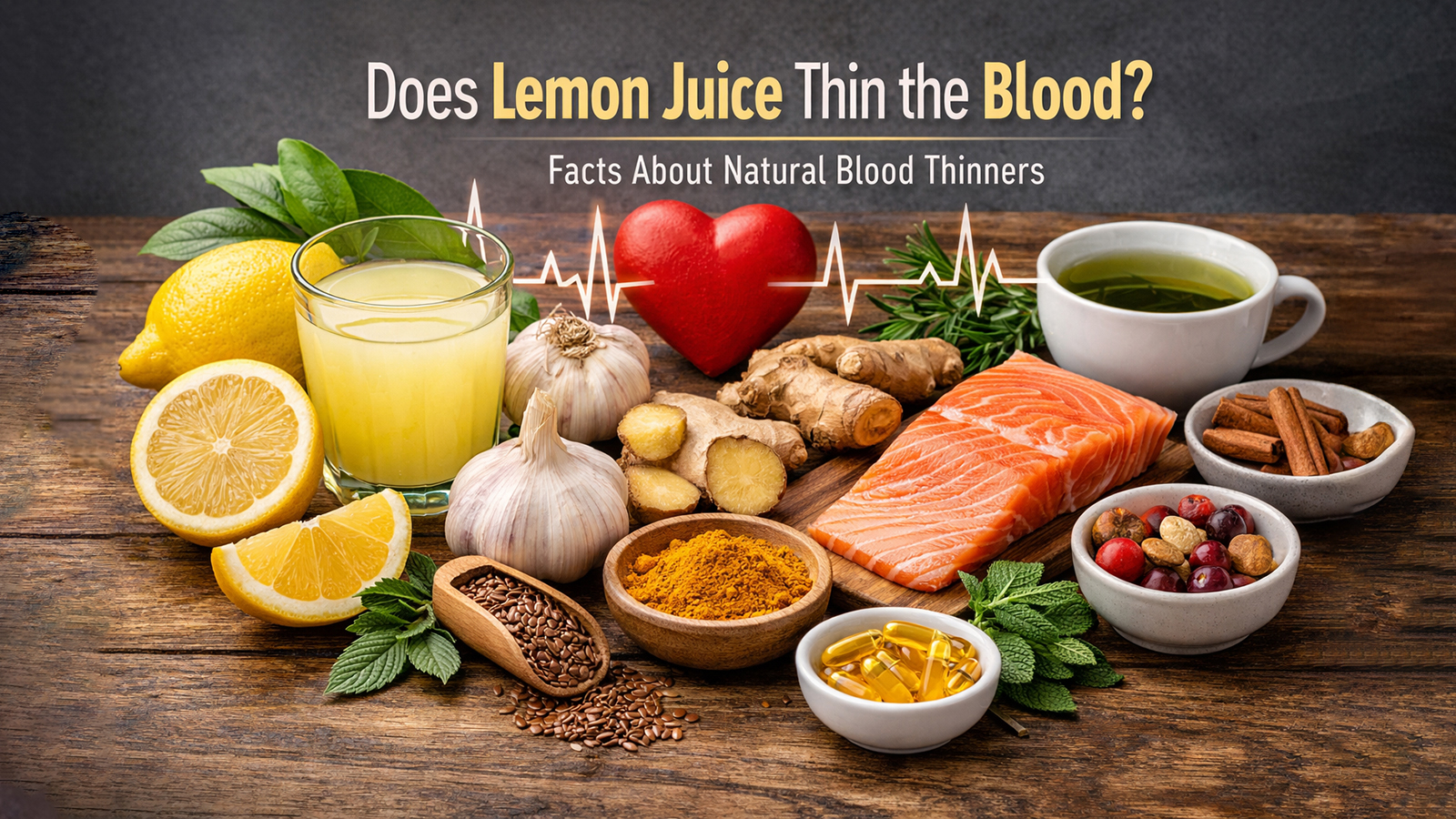
Does Lemon Juice Thin the Blood? What Science Says About Natural Anticoagulant Foods

Image: Nil Taskin Digital Art
Lemon juice is widely known for its high vitamin C content and antioxidant properties. However, scientific evidence suggesting that lemon juice has a significant blood-thinning (anticoagulant) effect is limited. While certain natural foods and compounds can influence blood coagulation, lemons are not generally considered potent blood thinners in the way some medications—or specific foods like garlic and ginger—are.
That said, maintaining a healthy, balanced diet that includes vitamin C–rich foods such as lemons can support overall cardiovascular health. Vitamin C plays an important role in strengthening blood vessel walls and supporting vascular function, but this benefit should not be confused with a direct blood-thinning effect.
For individuals who use prescription blood-thinning medications or who have known blood-clotting disorders, it is especially important to consult a healthcare provider before making significant dietary changes or relying on natural remedies to manage their condition.
Foods That May Support Blood Thinning and Help Reduce Clot Risk
When it comes to natural foods that may help support healthy blood flow and reduce the risk of clot formation, it’s important to remember that these foods do not replace medically prescribed anticoagulants. However, they may contribute to overall cardiovascular health when consumed as part of a balanced diet.
Some foods known for their potential blood-thinning properties include:
Garlic: Contains sulfur compounds that may help reduce platelet aggregation and lower clot risk.
Ginger: Has mild blood-thinning effects due to its natural anti-inflammatory and anticoagulant properties.
Turmeric: Curcumin, turmeric’s active compound, has anti-inflammatory effects and may help reduce clot formation.
Cinnamon: Contains coumarin, a compound with blood-thinning properties, and should be consumed in moderation.
Omega-3 Fatty Acids: Found in fatty fish such as salmon, mackerel, and sardines, as well as flaxseeds and walnuts. Omega-3s are known to support heart health and help reduce excessive blood clotting.
Vitamin E–Rich Foods: Including nuts, seeds, and green leafy vegetables. Vitamin E may have a mild anticoagulant effect.
Berries and Grapes: Rich in flavonoids and antioxidants that may help lower clot risk and support vascular health.
Green Tea: Contains bioactive compounds that may help support circulation and reduce clot formation.
—
It’s essential to maintain balance and avoid excessive consumption of any single food—especially for individuals taking prescribed blood-thinning medications. Dietary interactions can increase bleeding risk. For personalized guidance, consulting a healthcare provider or registered dietitian is always recommended, particularly for those with clotting-related health conditions.
Nil Taskin