


Beyond Dopamine: The Selenium Equation in Schizophrenia
Image: Nil Taskin Digital Art
When we discuss mental health, the conversation often centers on genetics and life events. However, emerging science suggests that the minerals on our plates may play a far more profound role in the depths of our psyche than previously imagined. Selenium, often hailed as the “brain’s structural shield,” is a trace element whose deficiency may be a critical variable in both the development and progression of schizophrenia.
The Invisible Shield: How Selenium Protects the Brain
Selenium sits at the strategic heart of the body’s antioxidant defense system, specifically as a core component of the glutathione peroxidase enzyme. Because the brain consumes a disproportionate amount of oxygen, it is exceptionally vulnerable to oxidative stress—essentially a biological “rusting” of neural cells. Selenium provides a triple line of defense:
- Neural Defense: It neutralizes free radicals before they can cause cellular damage.
- Chemical Equilibrium: It helps modulate neurotransmitters like dopamine and serotonin, which govern mood and perception.
- Inflammation Control: By reducing neuro-inflammation, it helps stabilize cognitive functions and neural pathways.
The Missing Link: Consequences of Deficiency
Research consistently indicates that individuals diagnosed with schizophrenia often exhibit significantly lower serum selenium levels compared to healthy control groups. This is not merely a nutritional footnote; this deficiency acts as a biological “force multiplier” for the disorder:
- Accelerated Neurodegeneration: Without adequate selenium, neurons remain unguarded, potentially accelerating the structural brain changes associated with schizophrenia.
- Cognitive Fog and Negative Symptoms: Selenium depletion has been closely linked to “negative symptoms” such as attention deficits, memory impairment, and diminished executive function.
- Treatment Resistance: Perhaps most crucially, some studies suggest that low selenium levels may dampen the clinical efficacy of antipsychotic medications, making the disorder harder to manage.
Editorial Note: Selenium deficiency is not the “cause” of schizophrenia in a vacuum; rather, it serves as a potent biological risk factor that can exacerbate symptoms or lower the threshold for the disorder’s onset in genetically predisposed individuals.
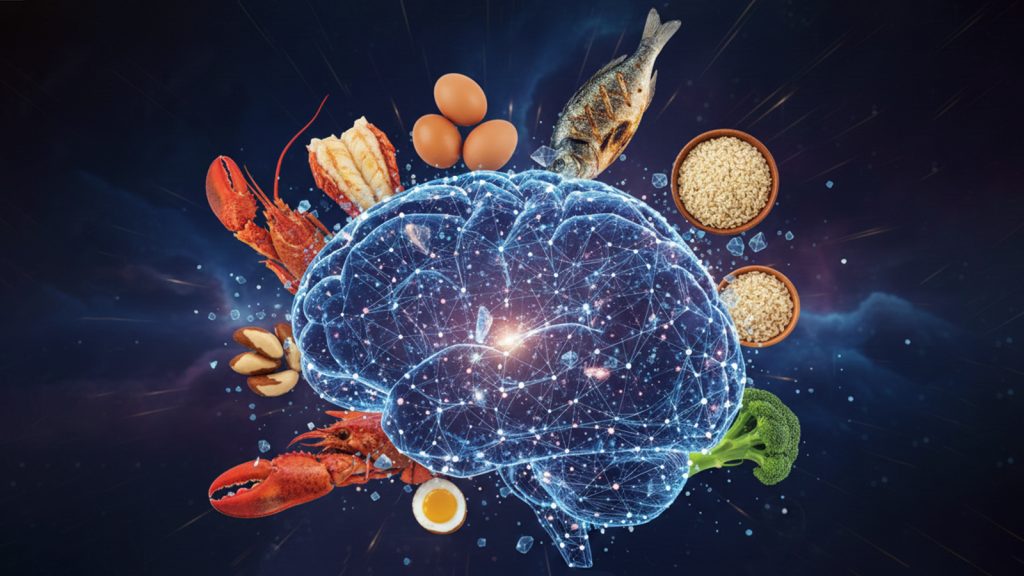
Image: Nil Taskin Digital Art
A Holistic Mandate: Clinical Steps Forward
Integrating biochemical balance into the treatment of schizophrenia is a vital component of modern, integrative psychiatry. However, precision is key:
- Diagnostic Screening: Selenium levels should be assessed via professional bloodwork before any intervention.
- Dietary Integration: Natural sources like Brazil nuts (just one or two a day), seafood, eggs, and whole grains should be prioritized.
- The Toxicity Warning: Selenium is not a “more is better” nutrient. Excessive intake can lead to selenosis (toxicity), causing hair loss and neurological issues. Supplementation must always be conducted under strict medical supervision.
The Bottom Line
In the complex architecture of schizophrenia treatment, selenium is not a “miracle cure,” but it is a formidable ally in protecting neural integrity and supporting cognitive resilience. Mind and body are not separate entities; they are a single, interconnected system. A missing piece on your plate could very well be the missing piece in the complex puzzle of mental health.
Nil Taskin